
How to Sell Land Without a Realtor in North Dakota
Selling vacant parcels, tillable agricultural acreage, or recreational hunting plots in the Peace Garden State does not require hiring a real estate agent. When property owners choose to navigate the market independently, they save thousands of dollars in agent commissions. Furthermore, learning how to sell land without a realtor in north dakota allows sellers to maintain direct control over negotiation terms, transaction timelines, and closing arrangements.
North Dakota presents a highly favorable environment for For Sale By Owner (FSBO) land transactions. Because the state constitution prohibits real estate transfer taxes, private sellers avoid burdensome municipal conveyance fees. However, executing a successful private transaction requires understanding local deed formatting, county recorder requirements, title search protocols, and strategic property valuation across diverse regions from the Red River Valley to the Bakken formation.

Comparing Sale Methods: FSBO vs. Agent Listing vs. Direct Buyer
When determining how to handle your transaction, comparing traditional listings, private FSBO marketing, and direct cash sales helps clarify net profit, timeline expectations, and required labor.
| Comparison Metric | For Sale By Owner (FSBO) | Listing With a Realtor | Selling to a Direct Land Buyer |
| Agent Commissions | 0% | 6% to 10% | 0% |
| Typical Selling Timeline | 3 to 9 Months | 6 to 12+ Months | 2 to 30 Days |
| Marketing Responsibilities | Owner handles all marketing | Realtor manages MLS listing | None required |
| Closing Cost Burden | Split between buyer & seller | Seller typically pays standard fees | Buyer covers 100% of closing costs |
| Contract & Deed Handling | Owner hires local title/attorney | Brokerage handles standard forms | Buyer handles all closing paperwork |
| Best For | Max profit via self-marketing | Hands-off traditional exposure | Fastest cash, zero hassle or fees |
Step 1: Establish Accurate Land Valuation Without an Agent
Pricing raw land requires a different framework than valuing residential homes. Land lacks interior living space or recent home comps, meaning valuation depends heavily on parcel utility, zoning, access, and regional soil or mineral profiles.
Analyzing Local Comparable Sales
To set a competitive price when learning how to sell land without a realtor in north dakota, begin by gathering recent sale prices for nearby, similar-sized acreage. Tax assessment records from your county equalization office offer baseline values; however, tax values often lag true market performance. Review recorded warranty deeds at the county recorder’s office in hubs like Fargo (Cass County) or Bismarck (Burleigh County) to evaluate actual arm’s-length transaction prices over the preceding 6 to 12 months.
Evaluating Land Utility and Access Factors
Land values vary significantly across North Dakota based on specific geographical and legal features:
- Tillable Farmland: Evaluate Soil Productivity Index (SPI) ratings provided by the Natural Resources Conservation Service (NRCS). High-yield cropland in the Red River Valley commands premium prices per acre.
- Recreational & Hunting Acreage: Timber coverage, wetland presence, and native wildlife populations enhance value for buyers seeking private hunting retreats in areas like Bottineau County or the Turtle Mountains.
- Legal Road Access: Parcels with dedicated public road access or recorded ingress/egress easements carry higher values than landlocked tracts.
- Mineral Rights Status: Clarify whether oil, gas, or mineral rights transfer with the surface estate, particularly in western counties like Mountrail, McKenzie, or Dunn.
Step 2: Prepare Essential North Dakota Land Documents
Gathering documentation early streamlines negotiations and prevents title delays when closing privately.
Key Documentation Checklist
- Legal Description: Located on your existing deed, specifying section, township, and range coordinates rather than a simple street address.
- Property Tax Statement: Proves current tax status and highlights any outstanding balance or delinquent assessments.
- Property Survey: Defines exact property boundaries, corners, and acreage dimensions.
- Conservation Reserve Program (CRP) Contracts: Discloses active government land-use agreements or annual rental payments, if applicable.
Step 3: Market Your Parcel Directly to Targeted Buyers
Without a real estate agent placing your parcel on a regional Multiple Listing Service (MLS), you must execute targeted marketing to attract qualified buyers directly.
Digital Land Platforms and Social Media
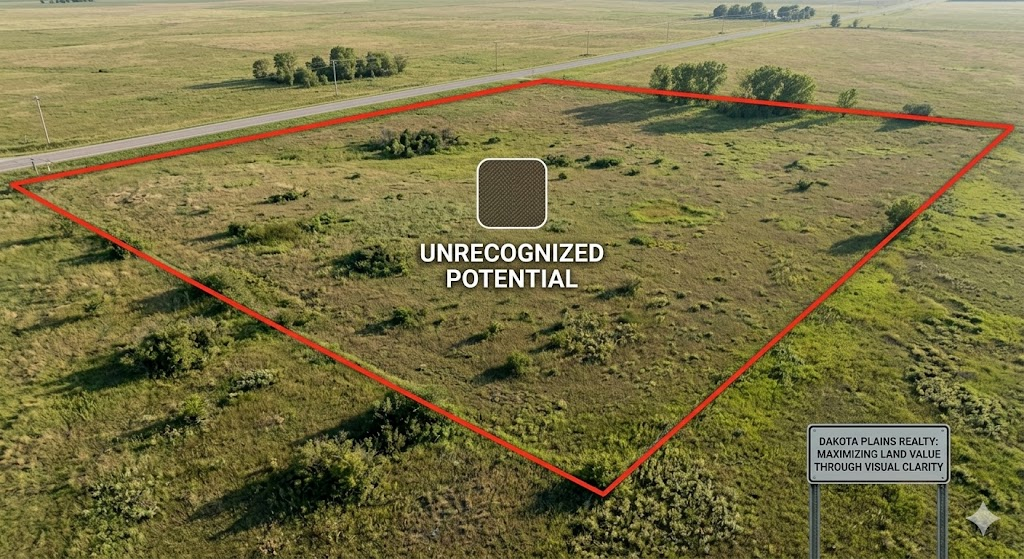
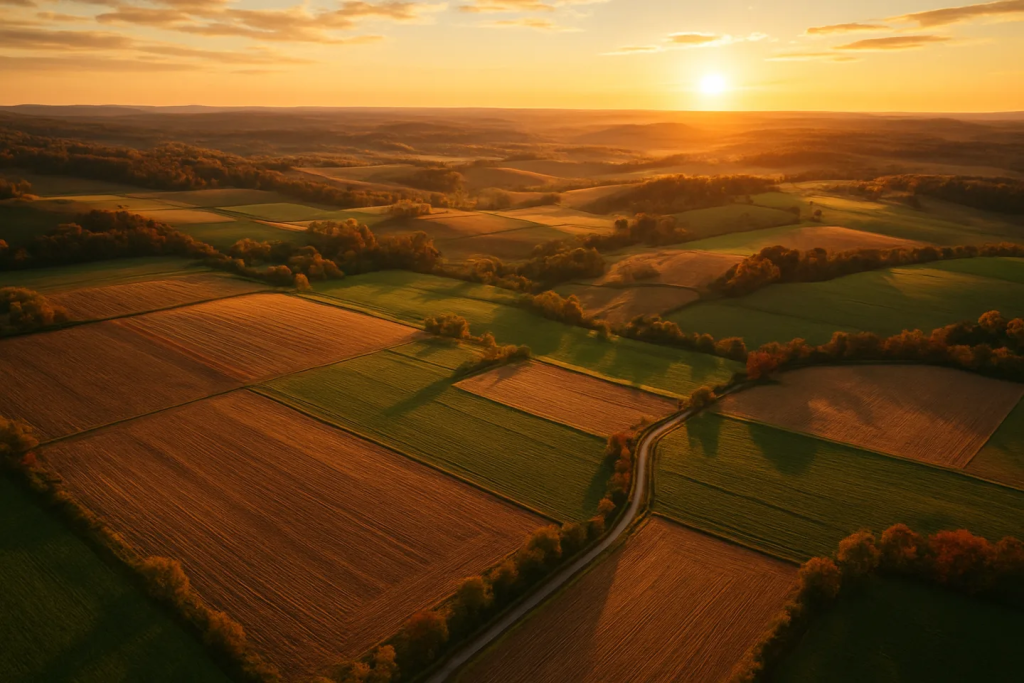
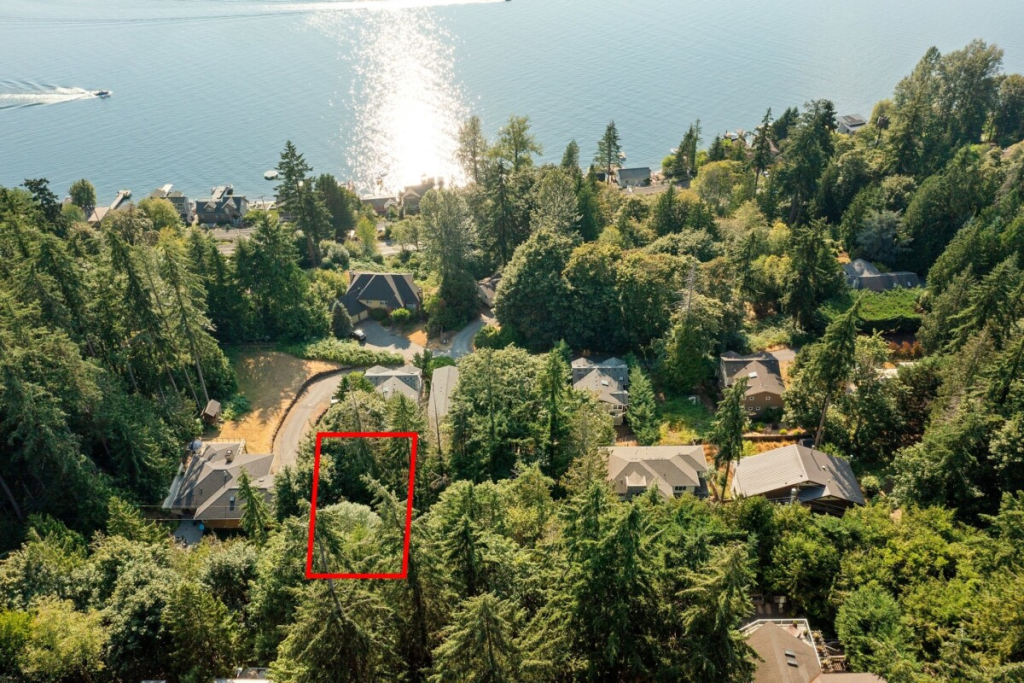
List your parcel on land-specific online marketplaces, local classified networks, and social media platforms. Emphasize key selling points in headline descriptions, highlighting details like “30 Acres Tillable Farmland,” “Prime Duck/Deer Hunting Ground,” or “Home Building Lot with Utilities Nearby.” High-definition aerial drone photography clearly showcases boundary lines, topography, surrounding terrain, and nearby access roads.
On-Site Signage and Local Outreach
Placing clear, weather-resistant “For Sale By Owner” signage along primary road frontages captures attention from neighboring farmers, local investors, and passing motorists. Additionally, reaching out directly to adjacent property owners often yields quick sales, as neighbors regularly seek opportunities to expand their contiguous farm acreage or pasture operations.
Step 4: Draft a Legally Sound Purchase Agreement
Once an interested buyer agrees on price terms, you must formalize the transaction using a written purchase contract tailored to North Dakota real estate laws.
Core Contract Provisions
A compliant private purchase contract must clearly define the primary terms of sale:
- Identified Parties: Full legal names of both seller and buyer.
- Legal Parcel Description: Complete legal description matching county recorder records.
- Purchase Price and Earnest Money: Agreed sales price alongside the earnest money deposit amount held in a neutral escrow account.
- Closing Date and Expenses: Specified target closing date detailing how title insurance, escrow charges, and recording fees are split.
- Fixtures and Rights: Explicit statement regarding mineral rights retention, standing crops, or temporary farm structures.
Step 5: Execute Title Search, Deed Transfer, and Closing
Navigating the closing process independently requires working alongside a licensed North Dakota title company or local real estate attorney to guarantee legal transfer of title.
Title Examination and Title Insurance
The title company conducts a comprehensive title search to verify clear ownership and ensure no outstanding liens, mechanics’ claims, or unpaid property taxes exist. Obtaining a buyer’s title insurance policy protects both parties against unexpected historical title defects.
Understanding North Dakota Deed Formats
Most private real estate sales utilize a Warranty Deed, which guarantees the seller holds clear title free of encumbrances. Alternatively, a Quitclaim Deed transfers existing ownership interest without guaranteeing title history often used between family members.
North Dakota Consideration Statement Requirement
Under state law (North Dakota Century Code § 11-18-02.2), any deed presented for recording must contain a certified statement of full consideration or cite a specific statutory exemption. The grantee or grantor must sign this statement confirming the actual purchase price paid for the property before county recorders will accept the document.
Step 6: Explore Direct Cash Buyers as an Alternative
For property owners who want to avoid marketing costs, extended waiting periods, or complex paperwork when learning how to sell land without a realtor in north dakota, selling directly to an established cash buyer offers an efficient alternative.
Benefits of Direct Cash Transactions
- No Out-of-Pocket Costs: Direct land buyers absorb standard title fees, escrow charges, and document prep costs.
- Sell As-Is: Buyers purchase raw land regardless of back taxes, title anomalies, or lack of physical improvements.
- Fast Closing Timelines: Transactions often finalize in days rather than months because buyers do not depend on traditional bank loan approvals.
To explore seamless cash selling options or consult with regional acreage specialists, review our streamlined services on the DPR Land home page.