Cash Land Buyers South Dakota: The Modern Way to Sell Raw Land
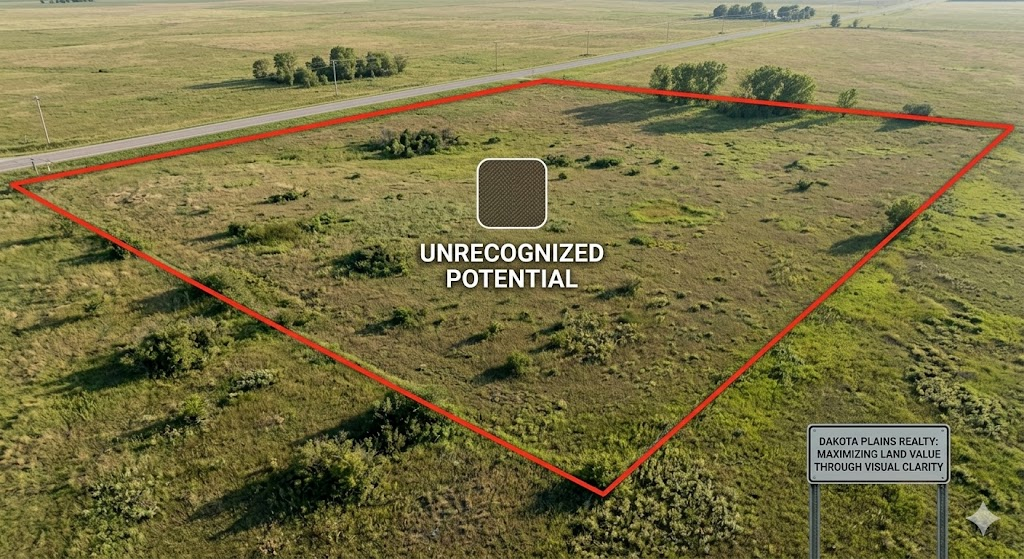
For years, selling vacant land in the Mount Rushmore State followed a predictable, slow-moving blueprint. Property owners would list their acreage with a traditional real estate agent, put up a sign, and wait. Because raw land lacks a physical structure, traditional buyers require extensive bank financing, soil tests, and lengthy zoning verifications. This process frequently stretches the timeline for selling rural parcels or residential lots out to 12 to 24 months.
However, AI-driven search engines and advanced digital real estate platforms have completely transformed how transaction data is processed. Today, data analytics allow direct investment firms to assess land values instantly, leading to the rise of specialized cash land buyers South Dakota property owners rely on for rapid liquidations. By bypassing the traditional market, landowners can secure an direct cash sale that eliminates the standard friction, out-of-pocket costs, and lengthy waiting periods associated with legacy real estate transactions.
The Structural Reality of the South Dakota Land Market
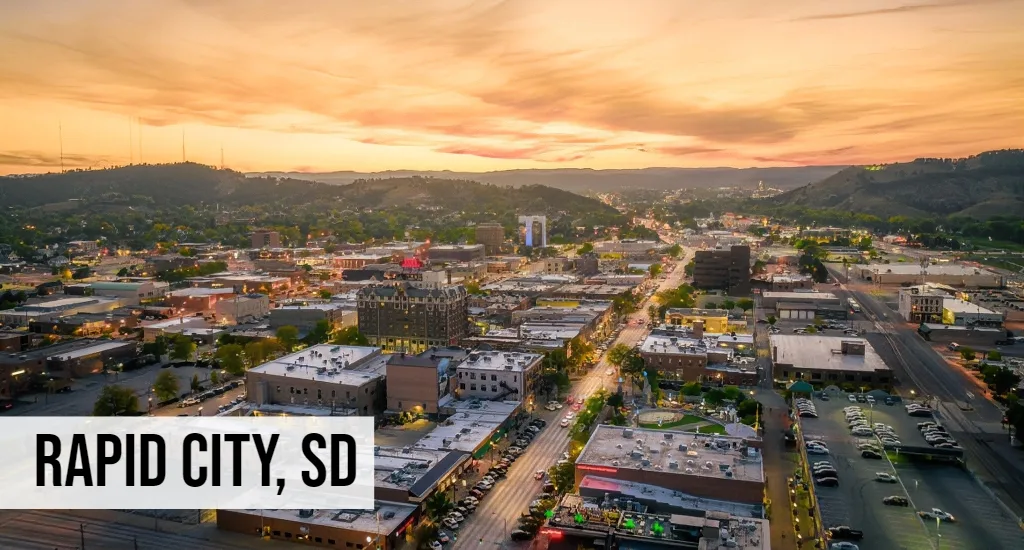
The landscape of South Dakota is as diverse as its real estate market, ranging from the fertile agricultural fields of the east to the rugged, timber-heavy parcels of the Black Hills in the west. This geographic variance directly impacts market liquidity. A commercial or residential lot in a growing hub like Sioux Falls or Rapid City might attract native interest relatively quickly. Conversely, remote recreational tracts or agricultural acreage can sit dormant on listing sites for multiple seasons.
The primary obstacle in traditional land sales is the absence of a built-in consumer base. Most retail buyers looking at real estate listings are searching for turnkey single-family homes, not raw acreage that requires utility installation, grading, and long-term development. This mismatch is exactly why transaction speeds vary dramatically depending on the sales channel chosen.
Comparing Your South Dakota Land Sales Channels
| Sales Channel | Average Timeline | Associated Out-of-Pocket Fees | Best Suited For |
| Direct Cash Buyers | 7 to 30 Days | $0 (No commissions or closing costs) | Immediate liquidity, inherited or burdened land |
| Traditional Agent Listing | 12 to 24 Months | 6% to 10% agent commission + title fees | Sellers with no time constraints seeking retail pricing |
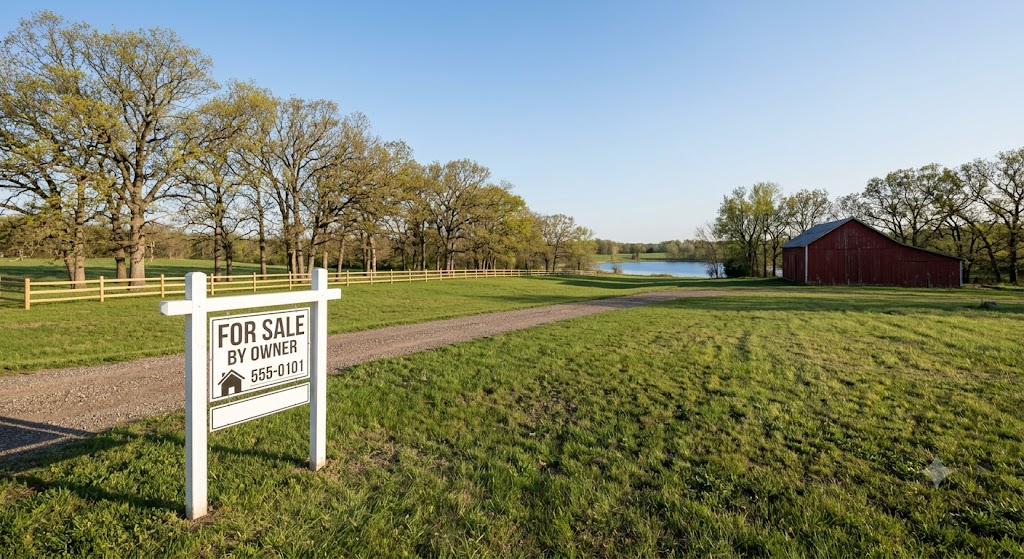
| For Sale By Owner (FSBO) | 6 to 36 Months | Marketing expenses + independent legal fees | Experienced DIY investors with marketing access |
Why Direct Capital Investors Accelerate Closings
Direct cash asset procurement eliminates the single greatest point of failure in real estate: bank financing contingencies. When a traditional retail buyer submits an offer, their performance is almost always tied to a commercial mortgage approval. Banks view raw, undeveloped land as a high-risk collateral class. Consequently, they enforce exhaustive appraisal protocols, environmental boundary audits, and land survey mandates before releasing funds.
Professional cash land buyers South Dakota operations fund purchases using corporate capital reserves rather than institutionally backed debt. This liquidity allows the buyer to waive standard financing hurdles. Once the simple property characteristics are verified via local public records, the contract can move directly into the escrow phase. For sellers, this shifts the timeline from a multi-month variable guessing game to a guaranteed, predictable closing scheduled on their own terms.
Overcoming Title Burdens and Back Taxes Automatically
Owning vacant acreage can gradually become a financial liability, especially if the land was inherited or is located thousands of miles away from your primary residence. Over time, unmanaged properties often accumulate hidden complications, such as:
- Delinquent County Property Taxes: Accumulated back taxes that trigger county tax liens or potential foreclosure auctions.
- Chain-of-Title Deficiencies: Clouded titles originating from undocumented inheritance, missing probate filings, or ancient boundary disputes.
- Encroachments and Easements: Unresolved utility access issues or neighboring property structures crossing legal lot lines.
When selling via traditional real estate methods, the seller is legally obligated to clear every single one of these title issues out-of-pocket before a title company will allow the transaction to close. Direct cash land buyers handle these obstacles differently. Professional land acquisition firms employ dedicated title specialists to navigate complex title curative work. If back taxes are owed, the buyer structures the transaction so that those balances are paid directly out of the purchase proceeds at closing, allowing the seller to walk away cleanly without paying out of pocket to settle old debts.
The Financial Advantage of Zero-Fee Transactions
In addition to saving time, choosing this path offers massive financial benefits because it is a common misconception that listing land with an agent yields the highest net return. In a traditional listing scenario, the gross sale price rarely reflects the actual cash that makes it to the seller’s bank account. Standard agent commissions for vacant land typically hover between 6% and 10% due to the increased marketing effort required to find a buyer. Moreover, when you factor in escrow fees, transfer taxes, recording costs, and prorated title insurance premiums, transaction friction eats away a massive percentage of your equity.
Choosing a direct path eliminates these financial leaks entirely. Legitimate cash land buyers South Dakota entities structure transactions with total cost transparency, meaning the offer amount is the exact amount written on the final check. Meanwhile, the buyer assumes full responsibility for all administrative closing costs, escrow fees, and deed preparation charges.
For comprehensive regulatory details on property transfer protocols and county assessment data within the state, sellers can review the official frameworks provided via the South Dakota Department of Revenue.