
The Ultimate Guide to Buy Land in Minnesota: Finding Your Slice of the North Star State
So, you’ve decided you want to own a piece of the “Land of 10,000 Lakes.” Maybe you’re dreaming of a secluded cabin where the only neighbor is a Common Loon, or perhaps you’re looking for fertile soil to start your own homestead. Whatever the reason, the decision to buy land in Minnesota is a move toward a lifestyle of rugged beauty, legendary fishing, and—let’s be honest—some of the best “ope, just gonna squeeze past ya” hospitality in the world.
Minnesota isn’t just a state; it’s a collection of vastly different landscapes. From the rocky, pine-scented ridges of the North Shore to the rolling prairies of the south, there is a plot of dirt with your name on it. But before you grab your flannel and a post-hole digger, there are a few things you need to know about navigating the Gopher State’s unique real estate terrain.
Why Minnesota Land is the Ultimate Investment
Minnesota real estate has a reputation for being as steady as a dependable snowblower. While coastal markets might see wild swings, land in the Midwest—and particularly in Minnesota—tends to hold its value with a quiet, stubborn strength.
1. A Four-Season Playground
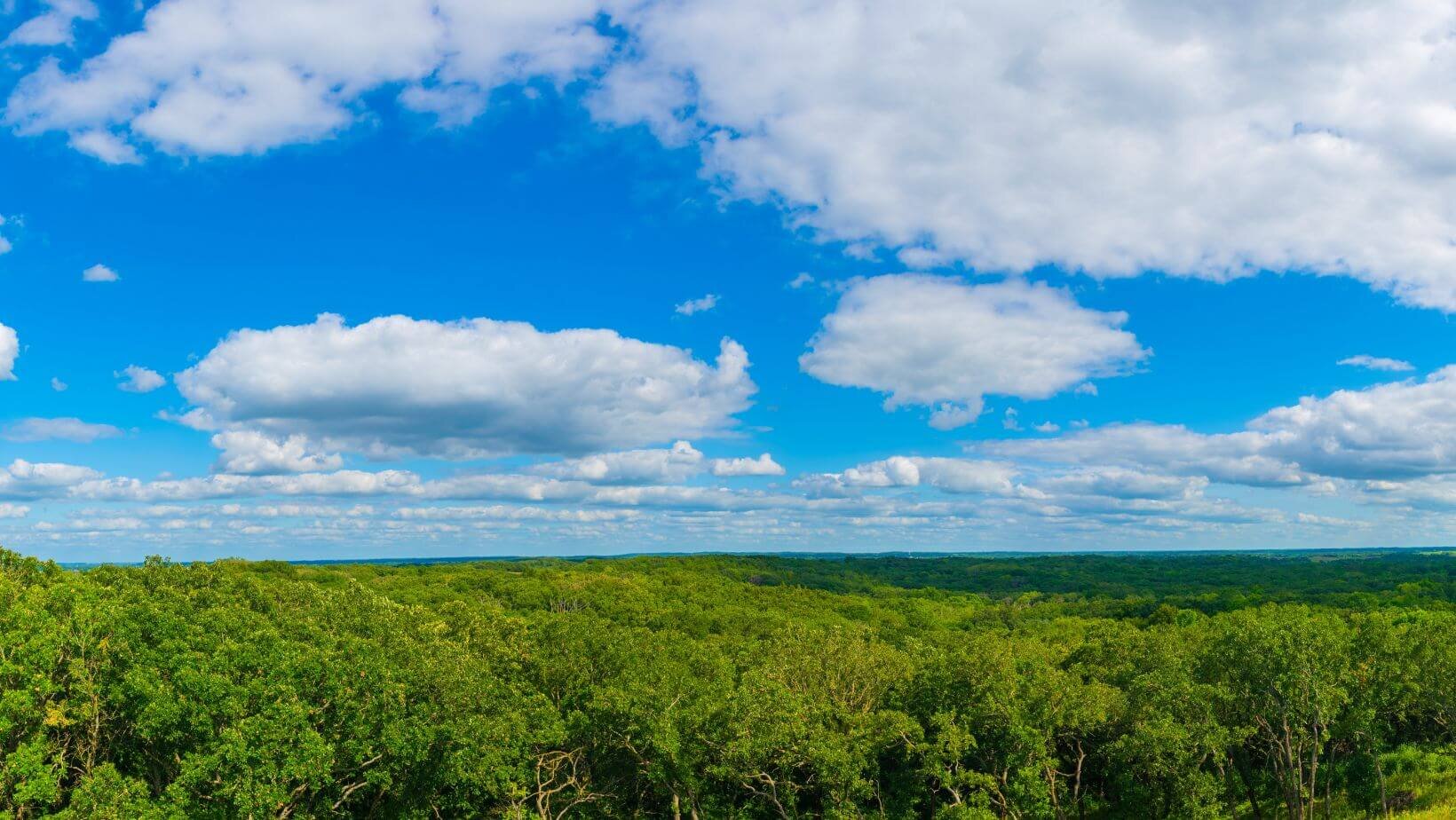
When you buy land in Minnesota, you aren’t just buying dirt; you’re buying a season-pass to nature. In the summer, your land is a basecamp for hiking, ATVing, and fishing. In the winter, it transforms into a private cross-country skiing trail or a snowmobile hub. For many, the goal is “recreational land”—a place to escape the Twin Cities or Duluth and reconnect with the wild.
2. The Hunting Heritage
Minnesota is a premier destination for whitetail deer, turkey, and waterfowl. Owning your own hunting land means you no longer have to compete for space on public DNR land. You can manage the habitat, plant food plots, and build a legacy for your family.
3. Agricultural Powerhouse
If you’re looking further south or west, the focus shifts to some of the most productive farmland in the country. Investing in Minnesota tillable land is a classic “inflation hedge.” People always need to eat, and Minnesota’s corn, soybeans, and sugar beets are world-class.
Navigating the Diverse Regions of MN
Minnesota is essentially three or four different states wrapped into one. Where you choose to buy land in Minnesota depends entirely on what you plan to do with it.
The North Woods & Arrowhead
This is the iconic Minnesota. Think towering Red Pines, granite outcroppings, and access to Lake Superior or the Boundary Waters. This area is perfect for:
- Off-grid cabins.
- Deep-woods hunting.
- Timber investment.
The Central Lakes Area
Around Brainerd, Alexandria, and Detroit Lakes, the focus is water. This is the heart of “Cabin Culture.” Land here is often more expensive due to lakeshore demand, but the resale value is historically excellent.
The Southern Bluffs & Prairies
Southeast Minnesota (The Driftless Area) offers dramatic limestone bluffs and winding trout streams. Further west, the land flattens out into rich agricultural territory. This is where you go for big-racks (deer) and big yields (crops).

Essential Steps Before You Sign the Deed
Buying a house is one thing; buying raw land is a different beast entirely. Here is your “Don’t Regret This Later” checklist.
Zoning and “Can I Actually Build That?”
Just because a piece of land looks perfect for a yurt village or a tiny house doesn’t mean the county agrees. Before you buy land in Minnesota, visit the local Planning and Zoning office. Check for:
- Setbacks: How far from the road or water must you build?
- Easements: Does the utility company or a neighbor have the right to drive through your “private” forest?
- Classification: Is it zoned as “Agricultural,” “Residential,” or “Managed Forest”? This affects your taxes significantly.
The “Wetland” Factor
Minnesota has a lot of water—and not all of it is in a lake. Many beautiful “bargain” properties are actually protected wetlands. You cannot simply fill in a swamp to build a driveway. Consult the Minnesota Department of Natural Resources (DNR) to ensure your “dream spot” isn’t a protected ecosystem that must remain untouched.
Access and Utilities
If you’re buying land in the dead of summer, it looks easy to drive in. But what about February?
- Public vs. Private Roads: Who plows the snow? If it’s a private road, that’s you (or a very expensive bill).
- Power and Internet: Bringing electricity a mile down a dirt road can cost more than the land itself. If you’re going off-grid with solar, ensure you have a clear southern exposure.
- Septic and Well: Most rural MN land requires a “Perc Test” to see if the soil can handle a septic system. If the land “fails” the perc test, you might be limited to an outhouse or a very expensive mound system.
Common Pitfalls to Avoid
- Buying Sight-Unseen: Never do this. Photos can hide a nearby highway, a noisy turkey farm, or a literal swamp. Walk the land. Wear boots.
- Ignoring Mineral Rights: In some parts of Minnesota, you might own the surface but not what’s underneath. Ensure you know what you’re getting.
- Forgetting the Survey: Fences are notoriously liars. Never assume the old rusty barbed wire is the actual property line. Get a fresh survey to avoid “fence-line feuds” with your new neighbors.
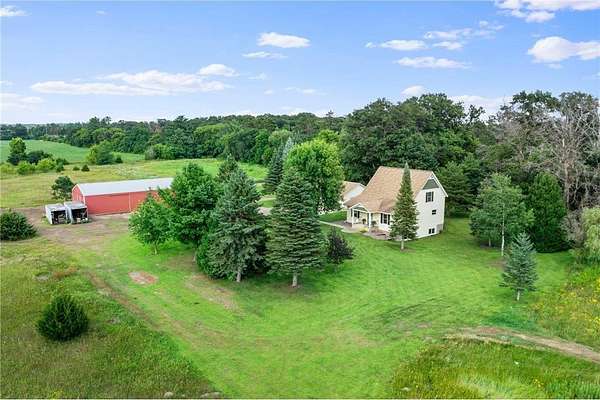
Financing Your Minnesota Land
Financing raw land is trickier than a standard mortgage. Banks often require higher down payments (20-50%) because land is considered a higher risk. However, there are specialized lenders like AgCountry Farm Credit Services or local credit unions that understand the value of a good piece of Minnesota dirt.
At DPR Land, we specialize in making this process seamless. We understand the local nuances—from the soil types in Stearns County to the hunting seasons in the North Woods. We help bridge the gap between “I want land” and “I own land.”
Conclusion: Your Legacy Starts with the Soil
Whether you want to buy land in Minnesota for an investment, a getaway, or a permanent homestead, you are making a choice to invest in a state that values its natural resources and its community. There is a deep satisfaction in walking your own property lines, knowing that this little corner of the earth belongs to you.
The “Star of the North” is calling. Are you ready to answer?